
Residential Roof Replacement
Roofs Built to Last Decades Longer
Residential Roof Replacement in Paragould for aging shingle systems showing visible deterioration, leak penetration, or structural deck damage
Paragould's residential housing stock includes a substantial share of homes built between the 1950s and 1990s, many of which carry original or single-replacement shingle systems now approaching the end of their service life. Cornerstone Roofing & Construction, LLC performs residential roof replacement for homeowners whose systems show granule loss, sagging decking, failed flashings, or interior leak evidence. Recognizing when a repair no longer addresses the underlying failure is a key decision point, and one that affects how the replacement is scoped and sequenced.
The replacement process begins with a full deck inspection once existing shingles and underlayment are stripped. At that stage, any soft spots, rot, or damaged sheathing are identified and replaced before new underlayment is laid. Flashing at penetrations, valleys, and eave lines is removed and replaced rather than reused, since existing metal degrades at a different rate than the surrounding shingle field and becomes a primary leak source when left in place under new material.
Arrange a roof evaluation with Cornerstone Roofing & Construction, LLC to assess your current system's deck condition and identify the scope of replacement work needed.
What Proper Roof Replacement Actually Requires
Reroofing—installing a second layer of shingles over an existing layer—is sometimes presented as a cost-reduction option, but it limits the ability to inspect and repair the underlying deck. Most building codes restrict the number of shingle layers allowed on a residential structure, and a second layer adds weight load while concealing deck damage that will continue to worsen beneath the new surface. A full tear-off replacement addresses those hidden conditions directly and resets the system from the substrate up.
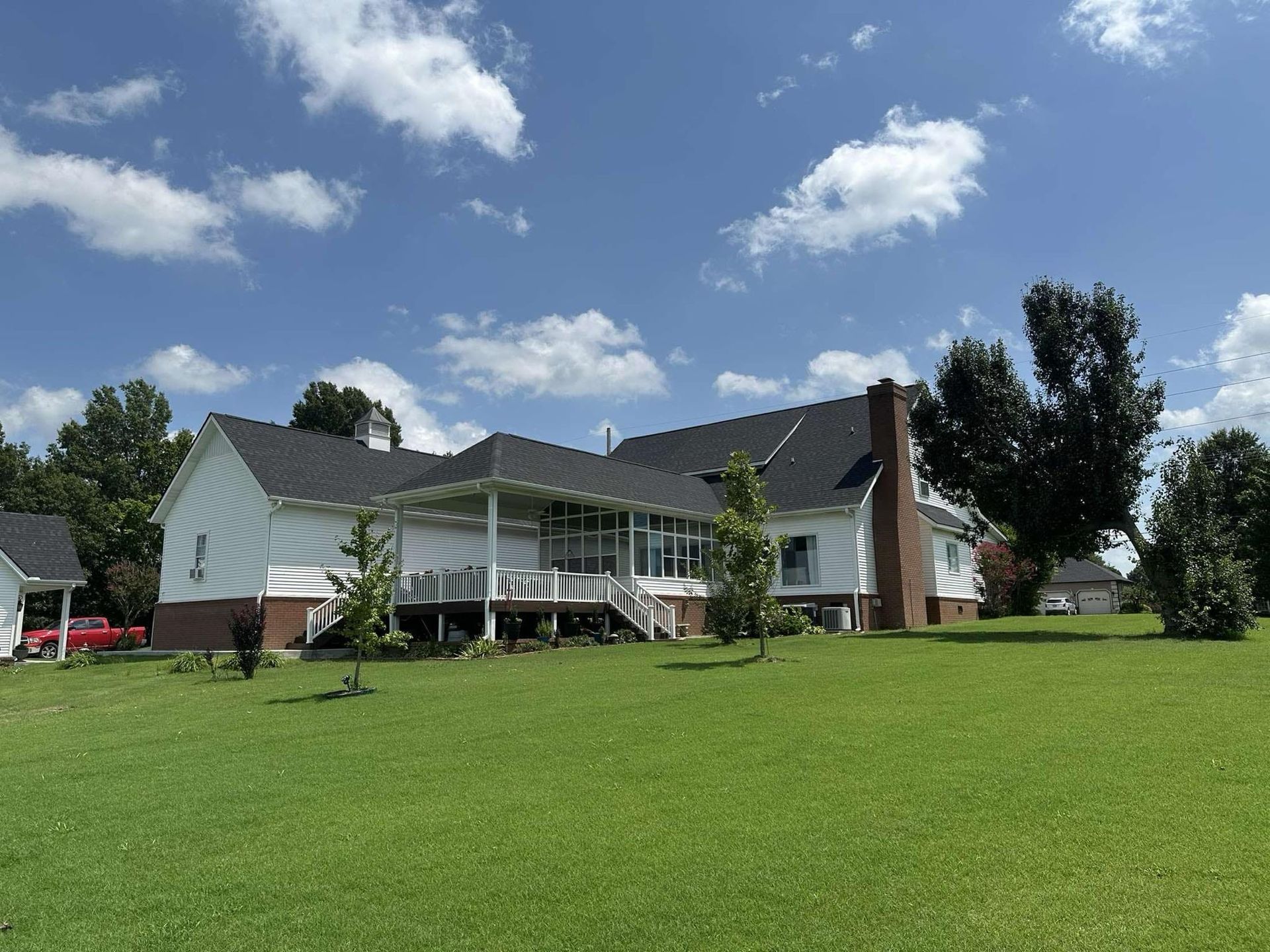
Once new shingles are installed and the ridge is capped, the visible change is immediate: uniform shingle lines, properly seated flashing at all penetrations, and no open gaps at valleys or eave edges. Inside the home, active leak points that traced back to failed underlayment or deteriorated flashing are no longer introducing water into the wall or attic assembly. The deck itself, once inspected and repaired, no longer flexes or shows soft movement underfoot when accessed.
Ventilation is a factor that directly affects shingle longevity after replacement. Inadequate attic ventilation accelerates shingle degradation from below by allowing heat and moisture to build within the attic assembly. A replacement project that ignores ventilation balance may install new material on a system still operating outside its design parameters, reducing the functional lifespan of the new roof before problems reappear.
What Homeowners Ask About Roof Replacement
The questions below address how residential roof replacement actually works, from the tear-off stage through final inspection—particularly relevant for homes in Paragould where multi-decade-old shingle systems are common.
What happens to the existing shingles during a full roof replacement?
The existing shingles and underlayment are removed down to the decking so the substrate can be inspected directly. Any sheathing panels showing rot, delamination, or soft spots are replaced before new material is installed on top.
How is the deck assessed before new shingles go down?
Once stripped, the deck is walked and probed for soft areas, and sheathing seams are checked for separation or movement. In homes built before the 1980s, skip-sheathing or board decking may require overlay panels to create a consistent nailing surface for modern shingle systems.
Why does flashing replacement matter when the shingles are new?
Existing metal flashing has typically been exposed to the same years of wear as the shingles being replaced, and its seal points—caulked or lapped joints at chimneys, vents, and valleys—are often compromised. Reusing old flashing under new shingles embeds a likely failure point in a system that is otherwise new.
What should you look for in finished shingle installation to confirm quality work?
Shingle courses should be straight and consistently offset, with no exposed nailing above the shingle cutout line. Ridge caps should be fully secured with appropriate fasteners, and drip edge metal should overlap the starter course cleanly at eave and rake edges without gaps.
When does a roof replacement include decking repair and when does it not?
Decking repair is determined during tear-off once the substrate is visible—it cannot be accurately assessed from the exterior before the job begins. The extent of replacement depends on how much sheathing has been affected by long-term moisture intrusion through the failed shingle system above.
Cornerstone Roofing & Construction, LLC works with homeowners through every stage of the replacement process, from initial deck assessment through final material installation. Request a detailed on-site review to understand the current condition of your roof system and what a full replacement involves for your specific property.
